The U.S. government just changed everything we know about sugar recommendations. The 2025-2030 Dietary Guidelines for Americans, released in January 2026, contain the most aggressive sugar reduction recommendations in history — and they affect every single person reading this.
Here's what changed, why it matters, and exactly what you should do about it.
The Big Changes: Old vs. New Guidelines
The previous guidelines capped added sugars at 10% of daily calories (about 50g on a 2,000 calorie diet). The new guidelines slash that nearly in half to under 6% — roughly 30 grams or 7.5 teaspoons per day.
But the most shocking change? The guidelines now state that "no amount of added sugars or non-nutritive sweeteners" is recommended as part of a healthy diet pattern. This is the first time the U.S. government has said artificial sweeteners are also not recommended.
What Does 30 Grams of Sugar Actually Look Like?
Here's how quickly you can blow through 30g of added sugar without even trying:
- One flavored yogurt: 19g — that's already 63% of your daily limit
- One tablespoon of ketchup: 4g — adds up fast with meals
- One granola bar: 12g — the "healthy" snack that isn't
- One glass of orange juice: 21g — even "100% juice" is sugar-dense
- One Starbucks Caramel Macchiato: 33g — already over your entire daily limit
⚡ Reality Check
The average American currently consumes 77 grams of added sugar per day — more than 2.5x the new recommended limit. Meeting the new guidelines requires cutting sugar intake by over 60% for most people.
Why the Government Cracked Down on Sugar
Three major factors drove this dramatic change:
- Obesity epidemic: Over 42% of American adults are now obese, with sugar identified as a primary dietary contributor
- Type 2 diabetes surge: Diagnoses have increased 25% in the last decade, directly linked to excess sugar consumption
- New research on brain impact: Studies showing sugar's addictive effects on the brain influenced the committee's recommendations
HHS Secretary Robert Kennedy Jr. publicly called sugar a "poison" and stated it's a major contributor to the chronic disease crisis. The FDA is now preparing strategies to define "low added sugar" claims and encourage manufacturers to reformulate products.
5 Action Steps to Meet the New Guidelines
- Start tracking your sugar intake today. You can't reduce what you don't measure. Most people dramatically underestimate their consumption — often by 40-60%
- Target hidden sugars first. Sauces, dressings, bread, and "healthy" snacks account for 60% of most people's added sugar without them realizing it
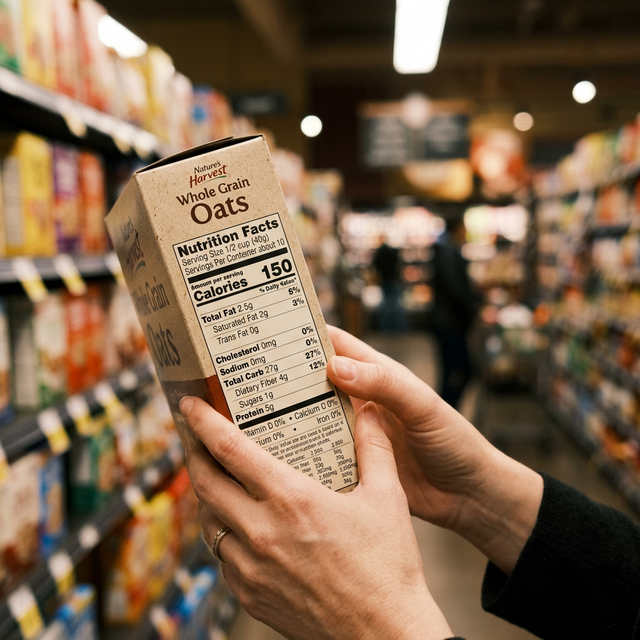
- Read labels differently. Under the new guidelines, anything over 5g of added sugar per serving is now considered high. Learn to decode labels here
- Make strategic swaps rather than going cold turkey — swap flavored yogurt for plain Greek yogurt with berries, sweetened coffee for black with cinnamon
- Plan for the 30-day adjustment period. Your taste buds need about 3-4 weeks to recalibrate. A structured detox challenge makes this transition much easier
Stay Under the New Sugar Limit with SugarWise
The new 30g daily limit is strict — but SugarWise makes it manageable. Track every meal, get real-time sugar alerts when you're approaching your limit, and build lasting habits that keep you compliant.
Frequently Asked Questions
What's the difference between added sugar and natural sugar?
Natural sugars occur naturally in whole foods (fruit, milk, vegetables) and come packaged with fiber, vitamins, and minerals. Added sugars are put into foods during processing (high fructose corn syrup, cane sugar, honey added to products). The new guidelines only restrict added sugars — not naturally occurring ones.
Do the new guidelines apply to children?
Yes — and they're even stricter. Children under 2 should consume zero added sugars. For children ages 2-18, the same 6% limit applies. Learn more in our guide to managing family sugar intake.
Is honey or maple syrup considered added sugar?
Yes. When honey, maple syrup, agave, or any sweetener is added to food during preparation or processing, it counts as added sugar — regardless of how "natural" it is.