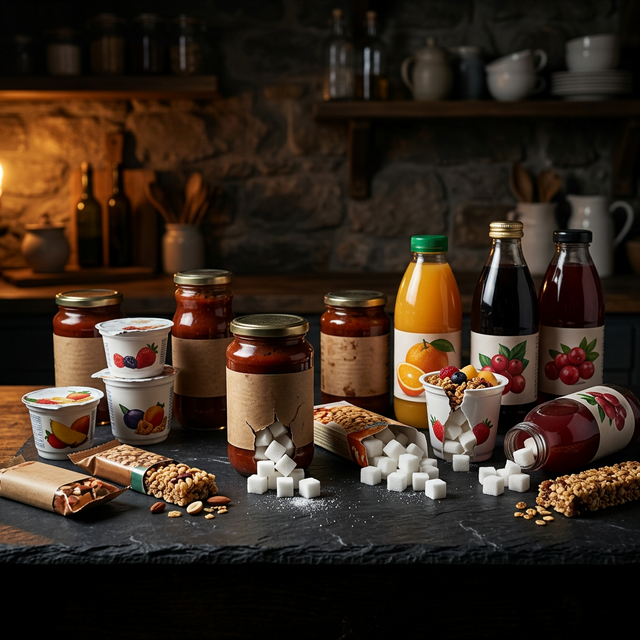
You pride yourself on eating healthy. You skip the candy aisle, pass on dessert, and choose water over soda. Yet somehow, you're still consuming far more sugar than you realize. The problem isn't the sugar you can see — it's the hidden sugars lurking in everyday foods that most people consider perfectly healthy.
According to the American Heart Association, the average adult in the United States consumes approximately 77 grams of sugar per day — more than three times the recommended limit for women (25 grams) and nearly double the limit for men (36 grams). What's truly alarming is that most of this excess sugar doesn't come from obvious sources like candy and soda. It comes from foods you eat every single day without thinking twice.
In this comprehensive guide, we'll pull back the curtain on hidden sugars in your diet, show you exactly where they're hiding, teach you how to decode food labels like a nutrition expert, and give you practical strategies to dramatically reduce your daily sugar intake. Whether you're trying to lose weight, improve your energy levels, or simply eat healthier, understanding hidden sugars is the essential first step.
What Exactly Are Hidden Sugars?
Hidden sugars are added sugars that manufacturers include in processed and packaged foods — often in products you wouldn't expect to contain sugar at all. Unlike the natural sugars found in whole fruits, vegetables, and dairy products, these are sugars that are deliberately added during manufacturing to enhance flavor, extend shelf life, improve texture, or make foods more appealing.
The challenge is that these added sugars go by over 60 different names on ingredient labels, making them incredibly difficult to spot unless you know exactly what you're looking for. They hide behind scientific-sounding names, deceptive marketing claims like "all-natural" or "organic," and misleading health halos that trick even the most health-conscious consumers.
Natural Sugar vs. Added Sugar: What's the Difference?
It's important to understand the distinction between natural and added sugars, because they affect your body very differently:
Natural sugars are found inherently in whole foods. The fructose in an apple or the lactose in plain milk comes packaged with fiber, vitamins, minerals, protein, and water — all of which slow down sugar absorption and provide genuine nutritional value. Your body processes these sugars gradually, avoiding the rapid blood sugar spikes associated with added sugars.
Added sugars, on the other hand, are extracted from their natural sources and concentrated into foods during processing. They provide calories but virtually no nutritional benefit — what nutritionists call "empty calories." These sugars are rapidly absorbed into your bloodstream, triggering insulin spikes, energy crashes, and over time, contributing to serious health issues including type 2 diabetes, heart disease, obesity, and fatty liver disease.
The Top 20 Everyday Foods Hiding Dangerous Amounts of Sugar
Here's where things get truly eye-opening. These are foods that millions of people eat daily, often believing they're making healthy choices. Let's break down the biggest hidden sugar offenders in your kitchen right now.
1. Flavored Yogurt
That cup of strawberry yogurt you eat for breakfast? It can contain up to 26 grams of sugar per serving — that's nearly as much as a Snickers bar. While some of that sugar is naturally occurring lactose, the majority in flavored varieties is added sugar from fruit purees, corn syrup, or cane sugar. Even yogurts marketed as "low-fat" often compensate with extra sugar to maintain flavor.
Healthier swap: Choose plain Greek yogurt and add your own fresh berries. You'll cut sugar by 15-20 grams while gaining more protein.
2. Granola and Granola Bars
Granola has enjoyed a "health food" reputation for decades, but the reality is shocking. A typical half-cup serving of commercial granola contains 12 to 16 grams of added sugar. Granola bars are even worse, with some popular brands packing 15-20 grams of sugar into a single bar — essentially making them candy bars with better marketing.
3. Pasta Sauce
A single half-cup serving of jarred marinara sauce can contain 6 to 12 grams of added sugar. Since most people use a full cup per serving, you could be consuming the sugar equivalent of two chocolate chip cookies with your "healthy" pasta dinner. Manufacturers add sugar to balance the acidity of tomatoes, but the amounts are often excessive.
4. Bread and Sandwich Rolls
You probably don't think of bread as a sweet food, but many commercial breads contain 3 to 6 grams of sugar per slice. That means a simple sandwich can start with 6-12 grams of hidden sugar before you add any fillings. Whole wheat breads are often just as guilty as white bread in this regard.
5. Salad Dressings
That salad you ordered thinking it's the healthy choice? The dressing alone might contain 5 to 9 grams of sugar in a standard two-tablespoon serving. Low-fat dressings are frequently the worst offenders because manufacturers add sugar to compensate for the reduced fat content. Honey mustard, French, and Thousand Island dressings typically have the highest sugar content.
6. Instant Oatmeal Packets
Oatmeal is one of the healthiest breakfast options available — until you buy the flavored instant packets. A single packet of popular flavored instant oatmeal contains 10 to 15 grams of added sugar. The "lower sugar" versions still pack 4-8 grams per packet.
7. Smoothies and Fruit Juices
A 16-ounce commercial smoothie can contain 50 to 80 grams of sugar — more than a can of Coca-Cola. While some is from natural fruit, many smoothie chains add juice concentrates, flavored syrups, and frozen yogurt. Similarly, a glass of "100% fruit juice" contains just as much sugar as soda, at about 24-36 grams per 12-ounce serving, without the beneficial fiber found in whole fruit.
8. Condiments and Sauces
Ketchup, BBQ sauce, teriyaki sauce, and sweet chili sauce are all loaded with hidden sugars. A single tablespoon of ketchup contains about 4 grams of sugar — and honestly, who uses just one tablespoon? BBQ sauce is even worse, with some brands packing 12-16 grams per two-tablespoon serving.
9. Protein and Energy Bars
Many protein bars marketed as gym-friendly health foods contain 15 to 25 grams of sugar. They're often coated in chocolate, sweetened with corn syrup, and contain various forms of sugar that add up quickly. Always check the label — some "health" bars have more sugar than a candy bar.
10. Dried Fruit
Dried cranberries, mangoes, and pineapple rings look like healthy snack options, but the drying process concentrates natural sugars while manufacturers often add even more sugar to enhance sweetness. A quarter-cup of dried cranberries can contain 29 grams of sugar. Compare that to a full cup of fresh cranberries at just 4 grams.
| Food Item | Serving Size | Hidden Sugar (grams) | Sugar Equivalent |
|---|---|---|---|
| Flavored Yogurt | 1 cup (170g) | 19-26g | 5-6 sugar cubes |
| Granola | 1/2 cup (55g) | 12-16g | 3-4 sugar cubes |
| Pasta Sauce | 1/2 cup (125ml) | 6-12g | 1.5-3 sugar cubes |
| Commercial Smoothie | 16 oz (475ml) | 50-80g | 12-20 sugar cubes |
| BBQ Sauce | 2 tbsp (30ml) | 12-16g | 3-4 sugar cubes |
| Instant Oatmeal | 1 packet (43g) | 10-15g | 2.5-4 sugar cubes |
| Dried Cranberries | 1/4 cup (40g) | 26-29g | 6.5-7 sugar cubes |
| Salad Dressing | 2 tbsp (30ml) | 5-9g | 1-2 sugar cubes |
| Sports Drink | 20 oz (590ml) | 34-36g | 8-9 sugar cubes |
| Protein Bar | 1 bar (60g) | 15-25g | 4-6 sugar cubes |
11-20: More Hidden Sugar Culprits
The list doesn't stop at ten. Here are ten more surprisingly sugary foods that deserve your attention:
- Canned soups — Many contain 6-15 grams of sugar per can, especially tomato-based varieties
- Coleslaw — A standard serving contains 13-15 grams, mostly from the dressing
- Premade smoothie bowls — Often contain 40-60 grams of sugar from fruits, granola toppings, and honey drizzles
- Flavored coffee drinks — A large flavored latte can contain 35-55 grams of sugar
- Canned baked beans — One cup contains 12-20 grams of added sugar
- Breakfast cereals — Even "healthy" cereals contain 8-12 grams per serving
- Flavored water and vitamin water — A single bottle can contain 26-32 grams
- Crackers — Many savory crackers contain 2-5 grams per serving
- Frozen meals — "Healthy" frozen dinners often contain 10-20 grams of hidden sugar
- Nut butters — Flavored or reduced-fat varieties can contain 6-8 grams per serving
The 60+ Names for Sugar: Your Complete Cheat Sheet
One of the main reasons hidden sugars are so effective at fooling consumers is that they appear under dozens of different names on ingredient labels. If you only look for the word "sugar," you'll miss the vast majority of added sugars. Here's your comprehensive reference guide to every name sugar hides behind:
Syrups
- High fructose corn syrup (HFCS)
- Corn syrup / corn syrup solids
- Rice syrup / brown rice syrup
- Malt syrup / barley malt syrup
- Maple syrup
- Golden syrup
- Refiner's syrup
- Carob syrup
- Buttered syrup
- Sorghum syrup
Sugars Ending in "-ose"
- Sucrose
- Fructose
- Glucose
- Dextrose
- Maltose
- Lactose
- Galactose
- Trehalose
Other Names for Sugar
- Agave nectar
- Cane juice / evaporated cane juice
- Cane sugar / raw cane sugar
- Coconut sugar / coconut palm sugar
- Date sugar
- Demerara sugar
- Fruit juice concentrate
- Honey
- Invert sugar
- Molasses / blackstrap molasses
- Muscovado sugar
- Panela / rapadura
- Sucanat
- Turbinado sugar
- Caramel
- Dextrin / maltodextrin
- Ethyl maltol
- Florida crystals
- Panocha
💡 Pro Tip: The Ingredient List Rule
Ingredients are listed in order of weight — the first ingredient makes up the largest portion of the product. If any form of sugar appears in the first three ingredients, that product is primarily sugar by weight. Also, manufacturers sometimes use multiple types of sugar to prevent any single sugar from appearing at the top of the list. If you see three or four different sugar names scattered throughout the ingredients, the total sugar content is likely very high.
Why Hidden Sugars Are So Dangerous to Your Health
Consuming excess added sugar isn't just about weight gain — though that's certainly a significant concern. The health impacts of chronic high sugar intake are far-reaching and increasingly well-documented by medical research.
Metabolic Syndrome and Type 2 Diabetes
Consistent overconsumption of added sugars leads to insulin resistance, where your cells become less responsive to insulin's signal to absorb glucose from the blood. Over time, this progresses to metabolic syndrome and eventually type 2 diabetes. Research published in the journal Diabetologia found that for every 150 calories of sugar consumed per day, the risk of developing type 2 diabetes increased by 1.1% — regardless of physical activity level or total calorie intake.
Heart Disease
A landmark study published in JAMA Internal Medicine found that people who consumed 17-21% of daily calories from added sugar had a 38% higher risk of dying from cardiovascular disease compared to those who consumed only 8%. Hidden sugars in processed foods are a major contributor because people are unaware of how much they're actually consuming.
Weight Gain and Obesity
Hidden sugars are particularly insidious for weight management because they add calories without providing satiety. Unlike protein, fiber, or healthy fats, sugar doesn't signal your brain that you're full. This means you can consume hundreds of extra calories from hidden sugars without feeling satisfied, leading to overeating throughout the day.
Impact on Brain Health
Emerging research has linked high sugar consumption to cognitive decline, reduced memory function, and increased risk of depression and anxiety. Sugar triggers the same reward pathways in the brain as some addictive substances, creating a cycle of cravings that becomes increasingly difficult to break. If you're interested in the neuroscience behind this process, our detailed guide on how sugar affects your brain dives deep into the research.
Dental Health
Beyond the systemic health effects, hidden sugars are devastating for dental health. The bacteria in your mouth feed on sugar, producing acid that erodes tooth enamel. Since hidden sugars are consumed throughout the day in various foods, your teeth are under constant acid attack without you even realizing it.
How to Find Hidden Sugars: A Step-by-Step Label Reading Guide
Now that you understand the scope of the problem, let's get practical. Here's exactly how to identify and avoid hidden sugars every time you shop. For a more comprehensive approach, check out our complete guide on how to read nutrition labels like a pro.
Step 1: Check the "Added Sugars" Line
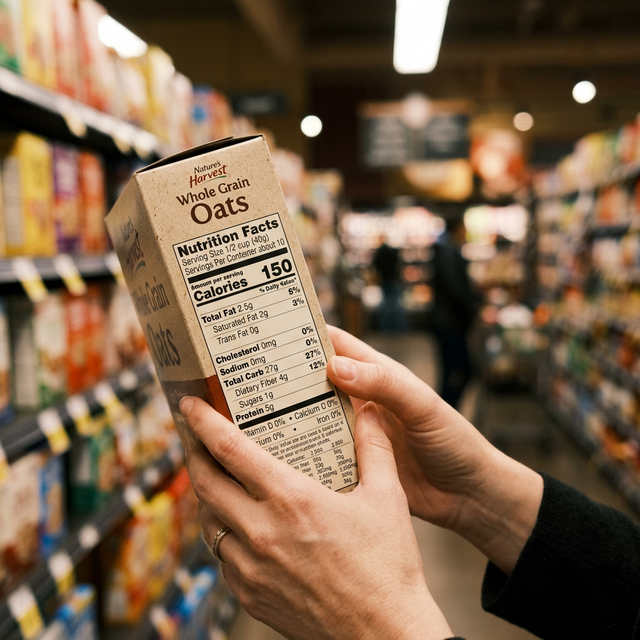
Thanks to updated FDA regulations, nutrition labels now include a separate line for "Added Sugars" beneath the total sugar amount. This is your quickest indicator. The Daily Value (DV) for added sugars is set at 50 grams per day, so if a product shows 25% DV for added sugars, it contains 12.5 grams — a significant amount for a single food item.
Step 2: Scan the Ingredient List
Using the sugar names guide above, scan the ingredient list for any form of added sugar. Remember that ingredients are listed by weight — if sugar appears in the first five ingredients, the product is heavily sweetened.
Step 3: Calculate the Sugar-to-Serving Ratio
Divide the grams of added sugar by the total grams of the serving size. If sugar makes up more than 10-15% of the total weight, that's a high-sugar product. For example, a granola bar weighing 40 grams with 12 grams of sugar is 30% sugar by weight.
Step 4: Watch for "Health Halo" Marketing
Be skeptical of labels claiming "natural," "organic," "whole grain," "fat-free," or "no artificial sweeteners." None of these claims mean low sugar. In fact, products marketed as "fat-free" or "low-fat" frequently contain more added sugar to compensate for the flavor lost when fat is removed.
Step 5: Compare Brands
The sugar content in similar products can vary enormously between brands. One brand of pasta sauce might contain 4 grams of sugar per serving while another contains 12 grams. Always compare and choose the option with the lowest added sugar.
Track Your Hidden Sugar Intake Automatically
Manually scanning every label is exhausting. SugarWise makes it effortless — log your meals and instantly see your sugar, calorie, and macro breakdown in real time. Set personalized daily sugar goals and get alerts when you're approaching your limit.
7 Practical Strategies to Reduce Hidden Sugar in Your Diet
Knowledge is power, but action is what creates change. Here are seven proven strategies to dramatically cut your hidden sugar intake starting today. For even more practical tips, explore our guide on 5 simple swaps to cut your daily sugar intake.
1. Cook More Meals from Scratch
The single most effective way to eliminate hidden sugars is to prepare meals using whole, unprocessed ingredients. When you make your own pasta sauce from fresh tomatoes, salad dressing from olive oil and vinegar, or oatmeal from plain rolled oats, you control exactly what goes in — and you'll be amazed at how good food tastes without all that unnecessary sugar.
2. Adopt the "Five-Ingredient Rule"
When buying packaged foods, look for products with five ingredients or fewer—and make sure you can recognize and pronounce every single one. The more ingredients a product has, the more likely it contains hidden sugars and other additives you don't need.
3. Transition Gradually
Your taste buds are adaptable, but they need time. If you currently load your coffee with flavored creamer, switch to plain creamer first, then to a small amount of milk or cream. Over two to three weeks, your palate adjusts and foods that once seemed bland become satisfying. Going cold turkey on sugar often leads to intense cravings and relapse.
4. Read Labels on EVERYTHING
Even products that seem impossible to contain sugar — like sliced deli turkey, smoked salmon, or salad mixes — often have added sugars. Make label-reading a habit for every packaged food you purchase, no matter how "healthy" it appears. Our nutrition label guide teaches you exactly what to look for.
5. Choose Whole Fruits Over Juice
When you eat a whole apple, you consume about 19 grams of natural sugar along with 4.4 grams of fiber, which slows absorption and keeps your blood sugar stable. When you drink apple juice, you get 24 grams of rapidly-absorbed sugar per cup with zero fiber. Always choose the whole fruit.
6. Beware of "Sugar-Free" Products
"Sugar-free" doesn't always mean healthier. Many sugar-free products replace sugar with artificial sweeteners that can perpetuate sweet cravings, or they add extra fat and calories to maintain flavor. Understanding the difference between natural and artificial sweeteners is important for making informed choices.
7. Use a Food Tracking App
One of the most eye-opening things you can do is track your food intake for just one week. When you see the actual numbers — how many grams of sugar you're consuming from sources you never suspected — it becomes much easier to make targeted changes. Apps like SugarWise are specifically designed to highlight sugar content, making it simple to spot and eliminate hidden sources.
Hidden Sugar FAQs
How much hidden sugar does the average person eat per day?
The average person consumes approximately 17 teaspoons (71 grams) of added sugar per day, much of which comes from hidden sources in processed foods like sauces, bread, and flavored yogurt. This is significantly more than the American Heart Association's recommended limit of 6 teaspoons for women and 9 teaspoons for men.
What are the most common hidden sugar names on food labels?
The most common hidden sugar names include high fructose corn syrup, dextrose, maltose, sucrose, agave nectar, barley malt, cane juice, fruit juice concentrate, and rice syrup. There are over 60 different names for sugar used on food labels, which is why they're so easy to miss.
Which everyday foods contain the most hidden sugar?
The biggest hidden sugar offenders include flavored yogurt (up to 26g per serving), granola bars (12-16g), pasta sauce (6-12g per half cup), commercial smoothies (50-80g), salad dressings (5-9g per serving), and instant oatmeal packets (10-15g per packet).
Are natural sugars like honey and agave better than white sugar?
While honey, agave, maple syrup, and coconut sugar contain trace amounts of minerals and antioxidants that white sugar lacks, your body processes them almost identically. They still spike blood sugar, contribute to calorie intake, and carry the same health risks when consumed in excess. The key difference is quantity and context — a drizzle of honey on plain yogurt is fine, but consuming large amounts of any concentrated sweetener is problematic.
How long does it take to break a sugar habit?
Most people find that sugar cravings significantly decrease within 2-3 weeks of reducing added sugar intake. By the 30-day mark, foods that you previously didn't consider sweet — like sweet potatoes, bell peppers, and fresh berries — will taste noticeably sweeter and more satisfying. This is because your taste buds are literally regenerating and recalibrating to lower sugar levels.
The Bottom Line: Taking Control of Your Sugar Intake
Hidden sugars are everywhere, but once you know where to look, they lose their power over your diet. The food industry relies on consumer ignorance to sell products loaded with unnecessary sugar — but you're no longer ignorant. You now know which foods are the worst offenders, how to decode ingredient labels, and what practical steps to take to reduce your daily sugar consumption.
The most important thing to remember is this: you don't need to be perfect. Even reducing your hidden sugar intake by 30-50% can lead to significant improvements in your energy levels, weight management, sleep quality, mood stability, and long-term disease risk. Start with the strategies that feel most manageable, build momentum, and gradually expand from there.
Your body, your brain, and your future self will thank you for every gram of hidden sugar you choose not to eat today.
Start Tracking Your Sugar Today — It's Free
SugarWise helps you see exactly how much sugar is hiding in your daily diet. Set personalized goals, log meals in seconds, and get real-time insights that make reducing sugar simple and stress-free.
Download SugarWise on Google Play →