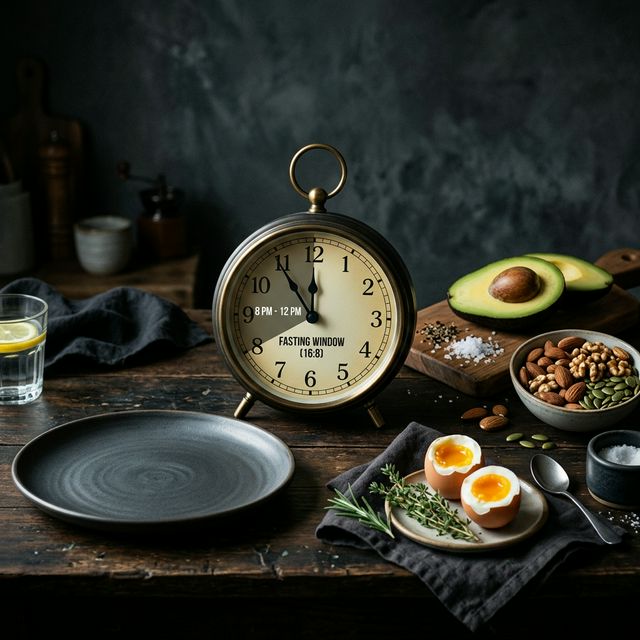
Intermittent fasting is everywhere right now — your coworker is doing it, your favourite fitness influencer won't shut up about it, and your mum just texted asking if she can have milk in her morning tea during her "fasting window." But behind all the noise, there's a genuinely powerful eating pattern that millions of people use to lose weight, sharpen their focus, and improve their metabolic health.
The problem? Most beginner guides overcomplicate things. They throw around terms like "autophagy" and "mTOR pathways" before they even explain what you're actually supposed to do. So let's fix that. This guide is designed for someone who's never fasted before and wants a clear, honest roadmap — no jargon, no cultish vibes, just practical advice that works.
Here's the truth that the fasting evangelists don't always mention: intermittent fasting isn't magic. It's a tool. A brilliant one, when used correctly. A useless one — or even a harmful one — when done badly. Let's make sure you do it right.
What Is Intermittent Fasting, Exactly?
Intermittent fasting (IF) isn't a diet — it's a pattern of eating. It doesn't tell you what to eat; it tells you when to eat. You alternate between periods of eating and periods of fasting, and during the fasting window, you consume zero (or near-zero) calories.
That might sound radical, but here's the thing: you already fast every single day. It's called sleeping. Intermittent fasting simply extends that natural overnight fast a bit longer. Instead of eating breakfast the moment you wake up, you might push your first meal to noon. Instead of snacking at 10pm, you close your eating window at 8pm. That's it. That's the core concept.
The reason it works — and the research backs this up consistently — is that fasting triggers a cascade of metabolic changes. Your insulin levels drop, which unlocks stored body fat for fuel. Your cells begin a cleanup process called autophagy, where they break down and recycle damaged proteins. Your human growth hormone increases, helping preserve muscle. And your body becomes more efficient at using the food you do eat.
The 4 Most Popular Fasting Methods (Compared)
Not all fasting schedules are created equal. Here's how the most popular methods stack up — with honest pros and cons for each:
| Method | How It Works | Best For | Difficulty |
|---|---|---|---|
| 16:8 | Fast 16 hours, eat within 8 hours | Beginners; daily sustainable use | 🟢 Easy |
| 5:2 | Eat normally 5 days, restrict to 500-600 cal on 2 non-consecutive days | People who hate daily restrictions | 🟡 Moderate |
| Eat-Stop-Eat | One or two 24-hour fasts per week | Experienced fasters | 🔴 Hard |
| OMAD (One Meal a Day) | Eat one large meal, fast the other 23 hours | Advanced; not recommended for beginners | 🔴 Very Hard |
My Recommendation for Beginners: Start With 16:8
If you've never fasted before, 16:8 is the sweet spot. Skip breakfast, eat your first meal at noon, and finish your last meal by 8pm. That's 16 hours of fasting with an 8-hour eating window. Most people find this shockingly easy after the first 2-3 days because, let's be honest, half the fasting period is just... sleeping.
The 5:2 method is a solid alternative if you can't give up breakfast but don't mind two low-calorie days per week. Just make sure those two days aren't back-to-back — your Tuesday and Thursday, for example.
⚠️ Who Should NOT Fast
Intermittent fasting is not for everyone. Do not try IF if you're pregnant or breastfeeding, under 18, have a history of eating disorders (anorexia, bulimia, binge eating), have type 1 diabetes, or are underweight. If you take medications that need to be taken with food at specific times, talk to your doctor first.
What Happens to Your Body When You Fast
Understanding the timeline helps you push through the adjustment phase without panicking. Here's what's actually going on inside you:
- 0-4 hours after your last meal: Your body is digesting and absorbing the food you ate. Blood sugar and insulin are elevated. Nothing interesting happening yet — you're in "fed mode."
- 4-8 hours: Blood sugar begins to fall. Insulin drops. Your body starts transitioning from burning glucose to tapping into glycogen (stored carbs in your liver and muscles).
- 8-12 hours: Glycogen stores start depleting. Your body increasingly shifts to burning stored body fat for fuel. This is where the magic starts. You might feel a bit hungry here — that's normal and it passes.
- 12-16 hours: You're now firmly in a fat-burning state. Autophagy ramps up — your cells are cleaning house. Growth hormone increases. Most people report feeling surprisingly sharp and focused at this point, not tired.
- 16-24 hours: Deep autophagy. Maximum fat oxidation. This is the zone that longer fasts like Eat-Stop-Eat and OMAD tap into. Not necessary for beginners, but beneficial for experienced fasters.
The hunger you feel during the first few days is mostly ghrelin — the hunger hormone — firing at its usual scheduled times. It's not a sign you're starving. Your body has thousands of calories stored as fat. Ghrelin subsides within 20-30 minutes if you don't eat, and after a few days, your body adjusts its ghrelin schedule to match your new eating window.
What to Eat During Your Eating Window
This is where most people go wrong. They nail the fasting part and then blow it by eating rubbish during their eating window. Intermittent fasting is not a licence to eat whatever you want. If you fast for 16 hours and then break your fast with a large pizza, a Coke, and a slice of cake, you haven't hacked anything — you've just skipped breakfast and eaten trash.
Break Your Fast With Protein + Healthy Fat
Your first meal matters. A lot. If you break your fast with refined carbohydrates or sugar, you'll spike your blood sugar after 16 hours of stable glucose — and that spike will be dramatic. Instead, lead with protein and healthy fats:
- Great first meals: Eggs with avocado and spinach, Greek yoghurt with nuts and berries, grilled chicken salad with olive oil dressing
- Avoid as first meals: Toast and jam, cereal, fruit juice, pastries, pancakes with syrup
During Your Window: Focus on Real Food
Prioritise whole, minimally processed foods. You want plenty of protein (at least 1.6g per kg of body weight if you're active), healthy fats, vegetables, and complex carbs. Avoid ultra-processed foods as much as possible — they'll sabotage your results and leave you hungrier.
Track What You Eat During Your Window
SugarWise makes it effortless to log your meals and see your sugar, calorie, and macro breakdown in real time. Make sure your eating window is actually fuelling your goals — not undermining them.
7 Common Intermittent Fasting Mistakes (and How to Avoid Them)
1. Going Too Hard Too Fast
Don't jump straight into a 24-hour fast or OMAD. Start with 12:12 (basically just cutting late-night snacking), build to 14:10 after a week, then graduate to 16:8. Your body needs time to adjust its hunger hormones.
2. Not Drinking Enough Water
Dehydration is the number one cause of headaches and fatigue during fasting. You're not getting the water that normally comes from food, so you need to drink more. Aim for at least 2.5 litres per day, more if you exercise.
3. Binge Eating When Your Window Opens
The "I've earned this" mentality after fasting leads to overeating that wipes out all the benefits. Eat normally. Eat mindfully. Don't treat your eating window like an all-you-can-eat buffet.
4. Loading Up on Sugar During Your Window
This is a recipe for blood sugar chaos. After 16 hours of stable, low insulin, flooding your body with hidden sugars creates a massive spike-and-crash cycle that leaves you more tired and hungry than if you hadn't fasted at all.
5. Ignoring Your Body's Signals
Mild hunger during the first week is normal. Dizziness, shakiness, extreme fatigue, or heart palpitations are not normal. If you feel genuinely unwell, eat something. Fasting should challenge you a bit — it shouldn't make you ill.
6. Not Getting Enough Protein
When you're eating fewer meals, every meal needs to count. Skimping on protein leads to muscle loss, which tanks your metabolism and makes you look and feel worse even if the scale goes down. Aim for a palm-sized portion of protein at every meal.
7. Expecting Overnight Results
Give it a minimum of 3-4 weeks before judging. The first week is adaptation. The second week is when hunger normalises. Weeks 3-4 are when you start seeing real, visible changes in your energy, weight, and mental clarity.
What You CAN Have During Your Fasting Window
| ✅ Allowed | ❌ Not Allowed |
|---|---|
| Water (still or sparkling) | Milk, cream, or creamers |
| Black coffee | Bulletproof coffee (contains fat) |
| Plain green or herbal tea | Fruit juice or smoothies |
| Black tea (no milk) | Diet soft drinks (debated, best avoided) |
| Apple cider vinegar in water | Protein shakes |
| Salt/electrolytes in water | Bone broth (technically breaks fast) |
Intermittent Fasting FAQs
Is intermittent fasting safe for beginners?
Yes — for most healthy adults, it's perfectly safe. The 16:8 method is the gentlest entry point. That said, it's not recommended for pregnant or breastfeeding women, people with eating disorder history, those with type 1 diabetes, or anyone under 18. If you have any medical conditions, check with your doctor first.
Can I drink coffee during my fasting window?
Yes — but keep it black. Black coffee, plain tea, and water are all fine. They contain virtually zero calories and won't break your fast. The moment you add milk, sugar, flavoured syrups, or cream, you're consuming calories and triggering an insulin response, which defeats the purpose.
How much weight can you lose with intermittent fasting?
Clinical research shows 3-8% of body weight over 3-24 weeks. For a 180lb person, that's roughly 5 to 14 pounds. Results depend on what you eat during your window, how active you are, and how consistent you stay. Most people see noticeable changes within 2-4 weeks.
Should You Try Intermittent Fasting?
Look — intermittent fasting isn't the only way to lose weight or improve your health. But for a lot of people, it's the easiest way, because it simplifies eating rather than complicating it. No meal prep for six small meals a day. No weighing portions. No elaborate recipes. You just... don't eat for a window of time, and when you do eat, you eat well.
If you've tried calorie counting and found it exhausting, if you're someone who isn't actually hungry in the morning anyway, or if you just want a straightforward system that doesn't require buying expensive supplements or special foods — intermittent fasting might be exactly what you've been looking for.
Start with 16:8. Give it three weeks. Track your food during your eating window so you're not accidentally sabotaging yourself. And pay attention to how you feel — not just what the scale says. The energy, the clarity, the lack of afternoon crashes — that's the stuff that makes people stick with this for life.
Make Every Meal in Your Window Count
SugarWise tracks your sugar, calories, and macros so you can maximise the benefits of your eating window. Set personalised goals and see exactly what you're putting into your body.